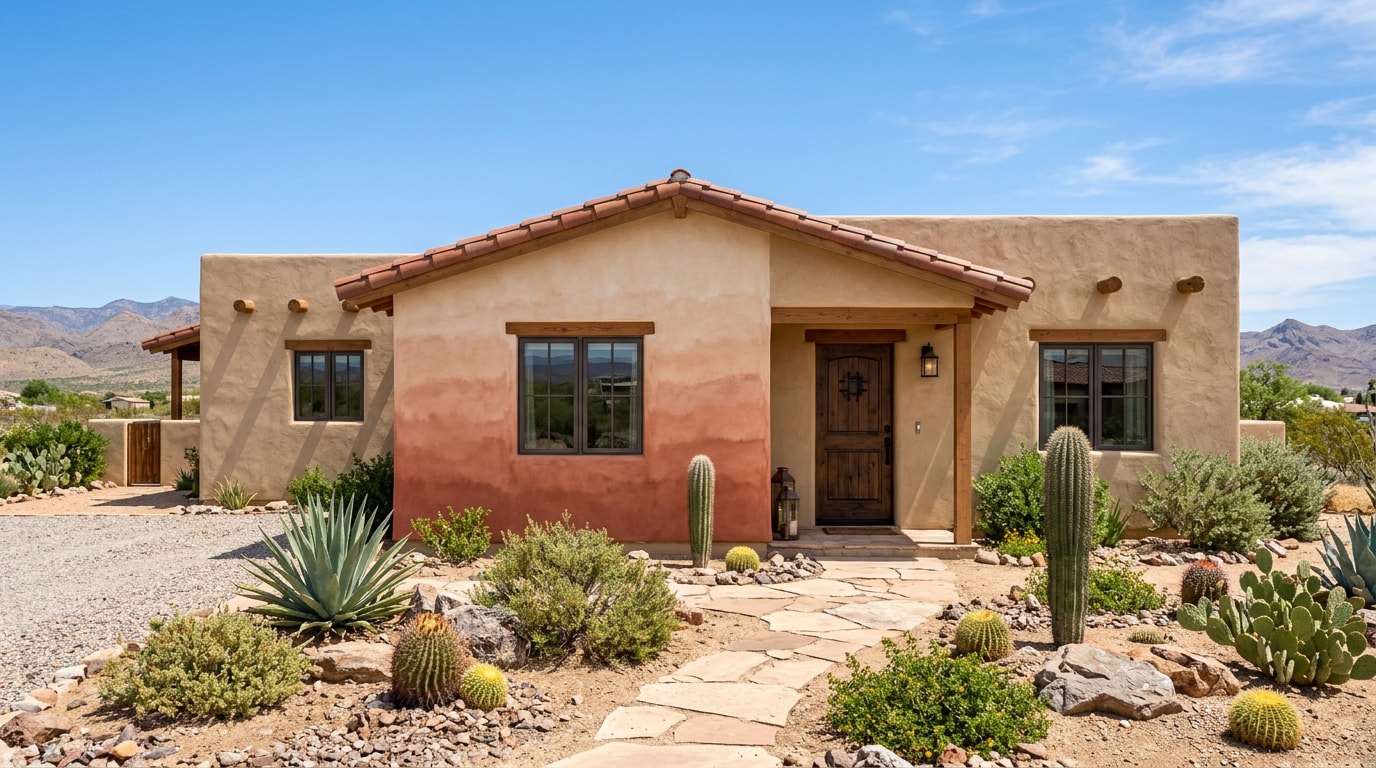
Watercolor house painting in Kingman, AZ uses thinned, translucent layers of real exterior paint, not a child's watercolor set, to build soft color transitions and a hand-painted look instead of one flat coat. Most searches on this topic turn up painting-company directories rather than an actual how-to, so this guide fills that gap with paint choices, prep steps, tools, and the desert-specific trade-offs nobody mentions upfront.
What Is Watercolor House Painting?
The technique layers watered-down acrylic or latex paint so each coat stays semi-transparent, letting the one underneath show through. That's what separates it from a standard repaint, which aims for full, even opacity in one or two coats.
Homeowners across Mohave County like this look because desert light tends to flatten solid, bold colors. A layered wash adds depth and movement instead, especially on stucco and smooth siding where the texture can still peek through the color.
Watercolor Finish vs. Standard Repaint
Before committing to the style, it helps to see how it stacks up against a conventional single-color exterior repaint.
| Factor | Watercolor-Style Wash | Standard Repaint |
|---|---|---|
| Labor intensity | High — multiple thin, hand-blended coats | Lower — one to two full-coverage coats |
| Surface forgiveness | Low — flaws show through transparent layers | Higher — opaque paint hides minor imperfections |
| Best use | Accent walls, trim, murals, feature panels | Full house exteriors |
| UV fade pattern | Uneven; lighter washes fade faster than base tones | More uniform fading across the surface |
| Touch-up frequency | More frequent on sun-exposed sections | Less frequent with a quality acrylic |
Because of the extra labor and skill involved, expect a watercolor-style finish to cost more per square foot than a flat, single-color job. The exact difference depends on wall size, number of layers, and whether you're doing an accent feature or a full facade, which is why a site visit from our exterior painting team gives a far more accurate number than any general estimate.
Choosing the Right Watercolor Paint
Real watercolor-style exterior work relies on watered-down acrylic paint or an acrylic glaze. True art-store watercolors aren't built to survive sun, rain, or temperature swings outdoors.
Look for a paint with a rich pigment load. Weak pigment goes flat and chalky once it's thinned and dried.
A few things matter more than brand name:
- Transparency — each layer should show the one beneath it, not cover it completely.
- Flexibility — 100% acrylic formulas flex with temperature swings instead of cracking, which matters in a climate that swings from freezing winter nights to 110°F summer afternoons.
- UV-stable pigment — standard pigment can visibly fade within a single Kingman summer.
Sherwin-Williams publishes technical data on its exterior acrylic lines, including coverage rates, dry times, and UV performance, which is worth checking before you buy diluted-and-layered quantities. You can review the Emerald Exterior Acrylic Latex technical specs directly from the manufacturer.
Preparing Your House Surface Before Painting
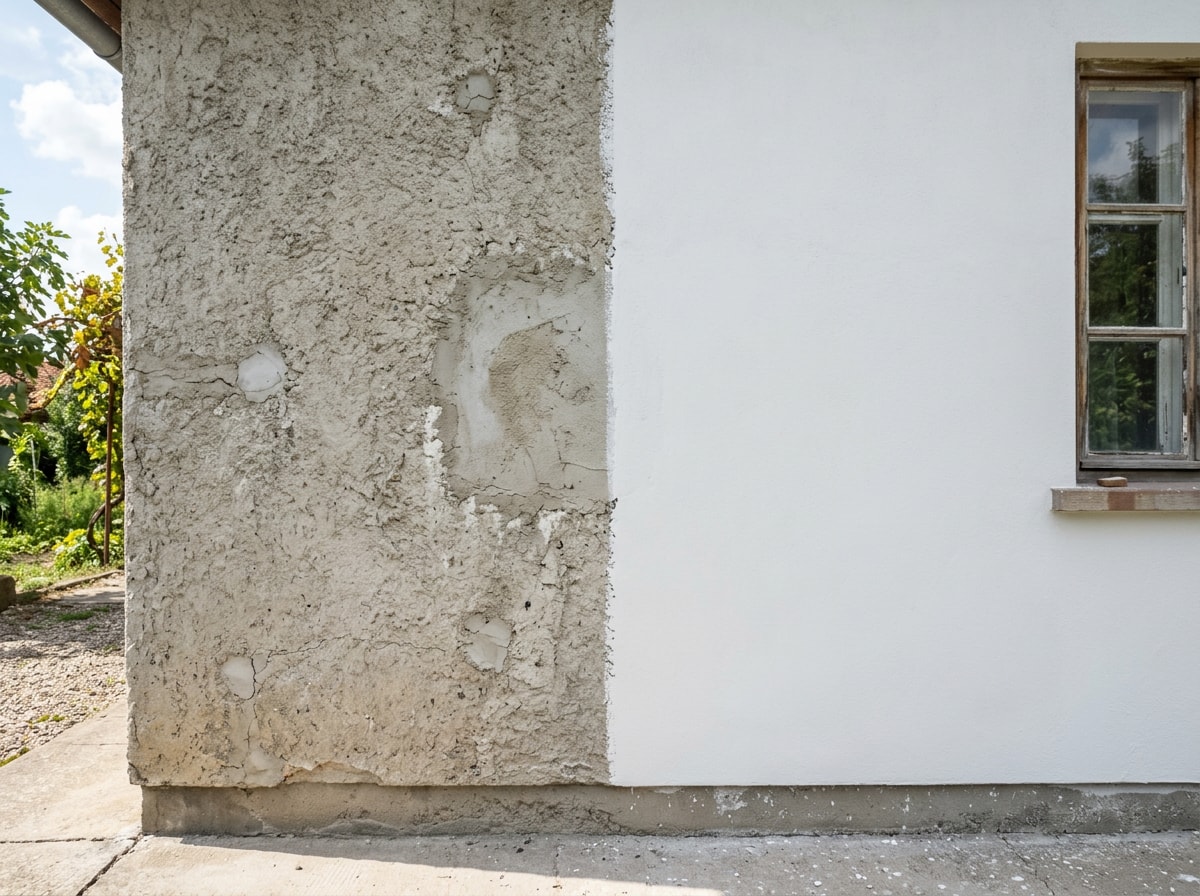
Surface prep decides whether a watercolor wash looks intentional or patchy within a year. Because the finish is thin and semi-transparent, it reveals every flaw underneath far more than a solid coat would.
Cleaning and Repairing
A clean, smooth surface helps watercolor-style paint lay evenly and bond properly. Skipping this step is the fastest way to end up with a patchy, uneven wash.
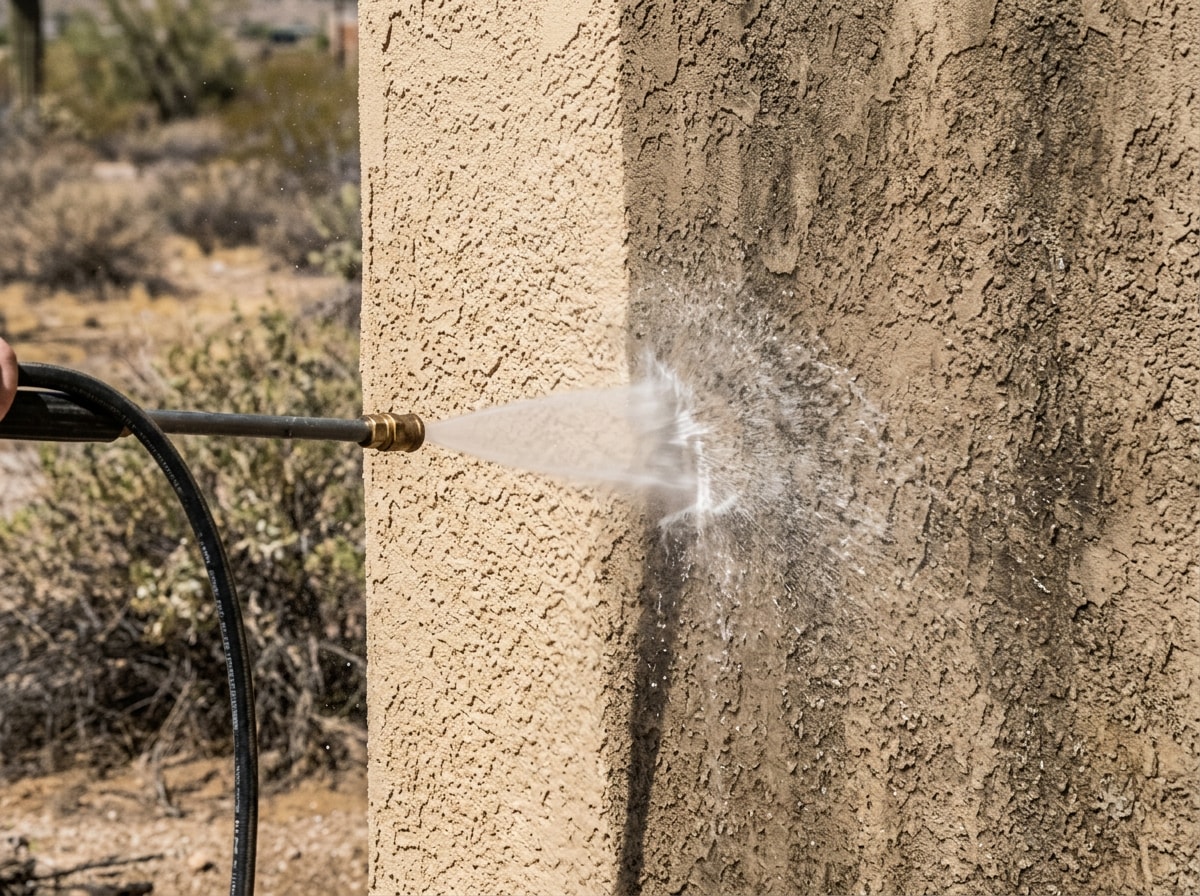
- Pressure wash to remove dirt, grease, and loose debris before any paint goes on.
- Check for cracks, peeling paint, or crumbling stucco and patch them before priming.
- Sand chalked or powdery areas back to a solid surface, since new paint won't bond to chalk residue.
If your Kingman home was built before 1978, older coats may contain lead paint, and disturbing them without the right precautions carries real health risks. The EPA's Renovation, Repair and Painting Rule outlines lead-safe prep practices for homes built before that year, and it's worth a read before any scraping or sanding begins. Our pressure washing service handles the cleaning stage if you'd rather not deal with a rented washer and a ladder in July.
Priming Techniques
A moisture-resistant primer matters more here than on a standard repaint. Trapped moisture under a translucent wash can cause peeling or mold that shows through the thin layers above it.
Applying a quality exterior primer also improves adhesion, which keeps thin glaze coats from sliding or beading on the surface. In Mohave County's dry climate, primer choice affects how fast glaze coats absorb and dry, so testing a small patch first saves a lot of frustration mid-project.
Essential Tools and Supplies You Need
The washed, blended look of this technique depends almost as much on your tools as your paint. Having everything on hand before you start keeps the process from turning rushed mid-wall.
- Round brushes for fine details like window frames and trim edges.
- Flat brushes for covering broader wall sections efficiently.
- Clean rags for blending edges and wiping excess glaze before it dries unevenly.
- Two water containers — one for rinsing brushes, one for mixing clean washes, so you're not muddying your dilution ratios.
- Masking tape to protect trim, windows, and adjacent surfaces, since mistakes are harder to fully cover with translucent paint.
Watercolor Techniques and Style Options
Once the surface is ready, there are several ways to apply the style, ranging from a single accent feature to a full facade.
Gentle Ombré Facades
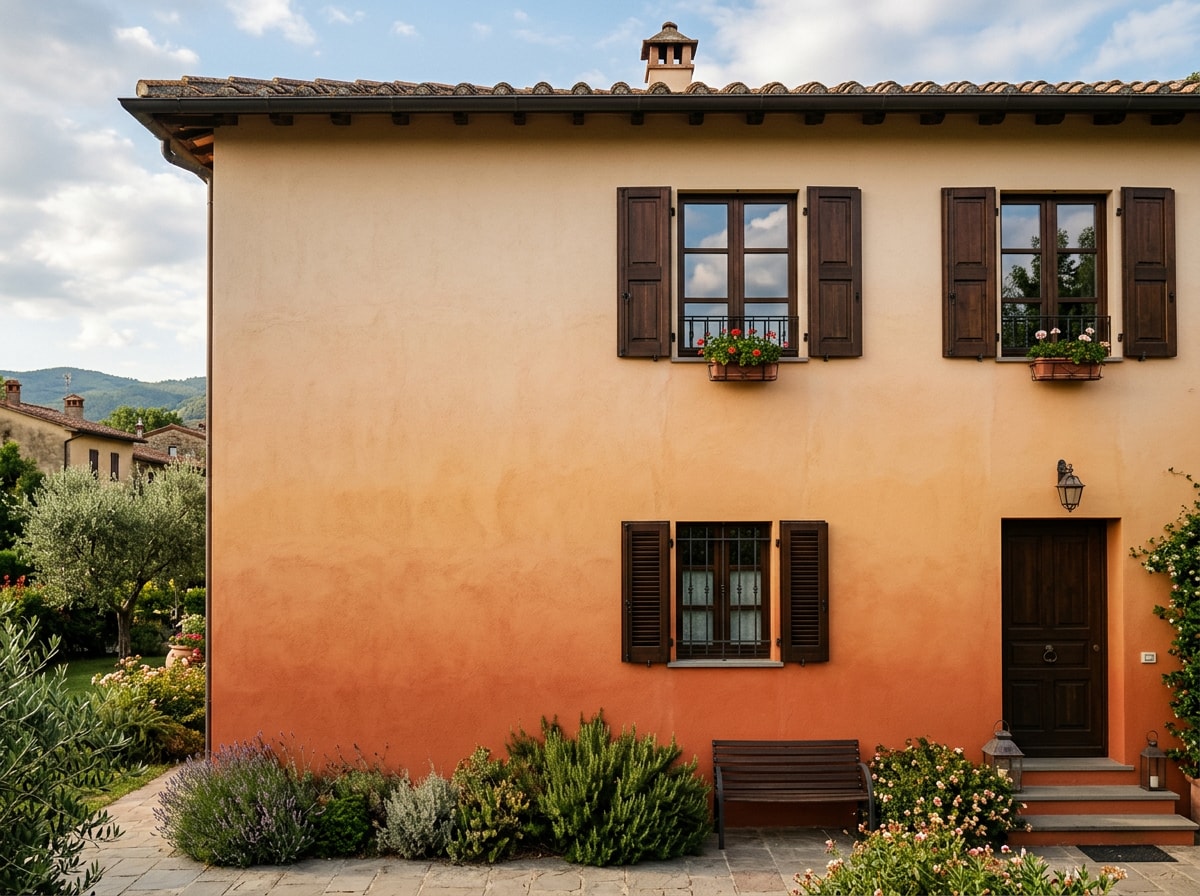
An ombré facade starts with a wash that transitions from a richer base color at one end to a light, airy tone at the other, built from thin layers applied in stages with drying time between each. It rewards patience — rushing the layers creates muddy bands instead of a smooth gradient.
We've seen Kingman clients fall for a soft ombré accent wall facing the street, only to ask for a touch-up a season later once west-facing sun faded the lighter end faster than the base. That's normal for this technique and worth planning for from the start.
Pastel Trims and Washed Windows
A lighter-commitment version applies a nearly transparent pastel wash only to trims and window frames rather than full walls. This gives a watercolor impression without the time or cost of a full facade.
Because Kingman sits in one of the sunnier parts of Arizona, UV-resistant pigment matters more here than in milder climates. Washed trim takes direct sun for hours a day, so it's worth paying more for a UV-stable product upfront. Our trim painting service crews stock pigment lines rated for that kind of sun exposure.
Accent Mural Panels
A single mural panel with a loose floral wash can create a standout feature without overwhelming the rest of the house. This works well near an entryway or on a blank side wall that otherwise gets little visual attention. Sketching the design digitally first, even in a simple drawing app, makes it easier to adjust scale and color balance before paint touches the wall. For a dedicated feature instead of a full mural, our accent wall painting service covers the same washed, layered approach at a smaller scale.
Blended Two-Tone Siding
Combining two hues and letting them blend softly at the seam creates a whimsical transition across a facade. It suits modern bungalow exteriors particularly well, where clean lines give the blended seam room to stand out.
Siding materials absorb glaze unevenly depending on texture and porosity, so test a patch on an inconspicuous section first. A small test panel saves a full repaint if the blend doesn't come out as planned.
Transparent Glazes for Textured Brick
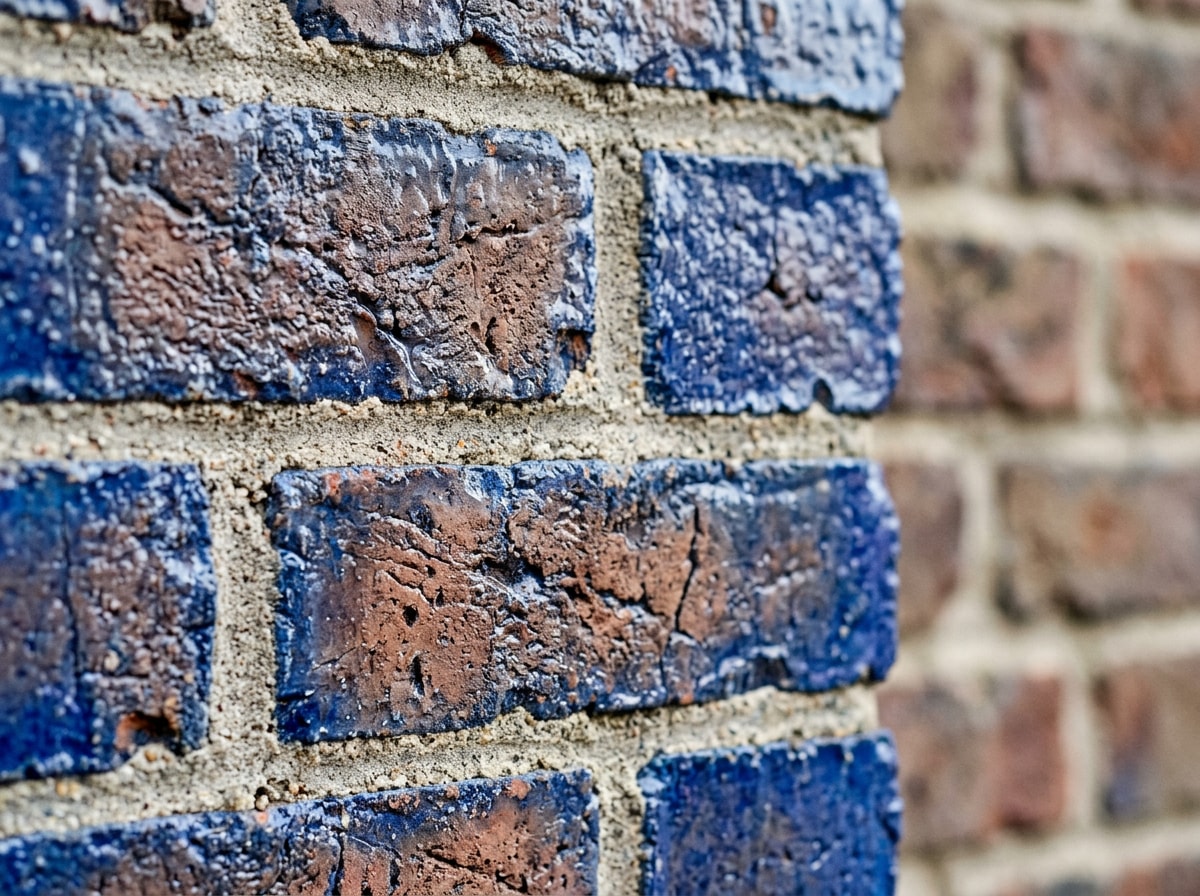
Instead of fully repainting brick, a transparent glaze can tone down overly red or orange hues while keeping the natural texture visible underneath. The same approach works on rough stucco, where a full opaque coat would otherwise bury the surface character.
Common Challenges in Kingman's Desert Climate
Watercolor-style finishes trade some durability for their soft, artistic look, and that trade-off becomes more noticeable outdoors than it does on interior walls.
- Summer UV exposure stresses pigment and binder, fading lighter washes faster than darker base coats.
- Monsoon moisture and wind-driven dust can wear at thin glaze layers more than they would a full-opacity elastomeric coat.
- South- and west-facing walls fade faster than shaded elevations, which means uneven touch-up schedules across the same house.
A heavier elastomeric paint generally outlasts a translucent wash in raw durability, though it sacrifices the soft, layered look entirely. For most homeowners choosing this style, plan on a touch-up or refresh coat every couple of years on sun-facing walls, sooner on surfaces that catch direct afternoon exposure.
If your crew is working through a Kingman summer, afternoon heat is a real job-site hazard, not just a paint problem. OSHA's heat exposure guidance covers water, rest, and shade practices that any outdoor painting crew should be following in triple-digit conditions.
None of this rules out the technique. It just means planning for maintenance from the start rather than treating it as a one-time project. Our Kingman, AZ service area page has more on what local conditions typically require for any exterior finish, decorative or standard.
DIY vs. Hiring a Professional
A single pastel-washed trim panel is a reasonable weekend DIY project for a confident homeowner. A full ombré facade or a two-tone blended exterior is a different story — uneven layering on a whole house is hard to fix without starting over.
If you're weighing the two:
- DIY makes sense for small accent features, test patches, or trim-only projects where a mistake is cheap to redo.
- Hiring a professional house painter makes sense for full facades, textured brick or stucco, or any project where ladder work and large surface areas are involved.
The team at Blue J Paint handles both standard repaints and decorative, layered finishes across Kingman and the rest of Mohave County. If you've already read our interior and exterior painting guide for Kingman homeowners, the same prep and paint principles apply here, just with more layering.
Ready to see what a watercolor-style finish would look like on your home? Get a free estimate and we'll walk the exterior with you before any paint goes on.
FAQ
What Exactly Is Watercolor House Painting?
It uses thin, translucent layers or glazes of paint to create soft color transitions and a washed look on exterior surfaces. It relies on layering and transparency rather than full, opaque coverage, which is what separates it from a standard repaint.
Is This Style Suitable for Every Type of Exterior Material?
It performs best on wood, smooth stucco, and well-prepared masonry. Heavily textured or chalky surfaces can obscure the translucent effect entirely, so always run a small test patch in an inconspicuous area before committing to a full wall.
How Long Can a Watercolor Finish Endure Outdoors?
Longevity depends mainly on pigment quality, binder type, and sun exposure. With high-quality acrylic glazes and UV-resistant pigments, homeowners can often expect a few years before significant fading or chalking sets in on shaded elevations, with sun-facing walls needing attention sooner.
How Much More Does It Cost Than a Standard Repaint?
Expect a higher cost per square foot than a flat, single-color exterior job, since the technique takes more coats, more drying time between layers, and more hands-on blending. The exact difference depends on wall size and whether it's a full facade or a smaller accent feature, which is best priced with an on-site look rather than a flat number.
Can I Do This Myself, or Should I Hire a Professional?
Small accent features like a trim panel or a single mural are reasonable DIY projects. Full facades, textured brick, or two-tone blended siding are harder to fix if the layering goes wrong, so those are better left to a painting crew with experience in the technique.
How Can I Maintain a Watercolor Finish?
Annual inspections, gentle scrubbing to remove mildew, and reapplying thin glaze coats as needed keep the finish looking intentional rather than worn. Trimming nearby plants and keeping gutters clear helps prevent staining, and small spot repairs usually work better than repainting an entire wall.