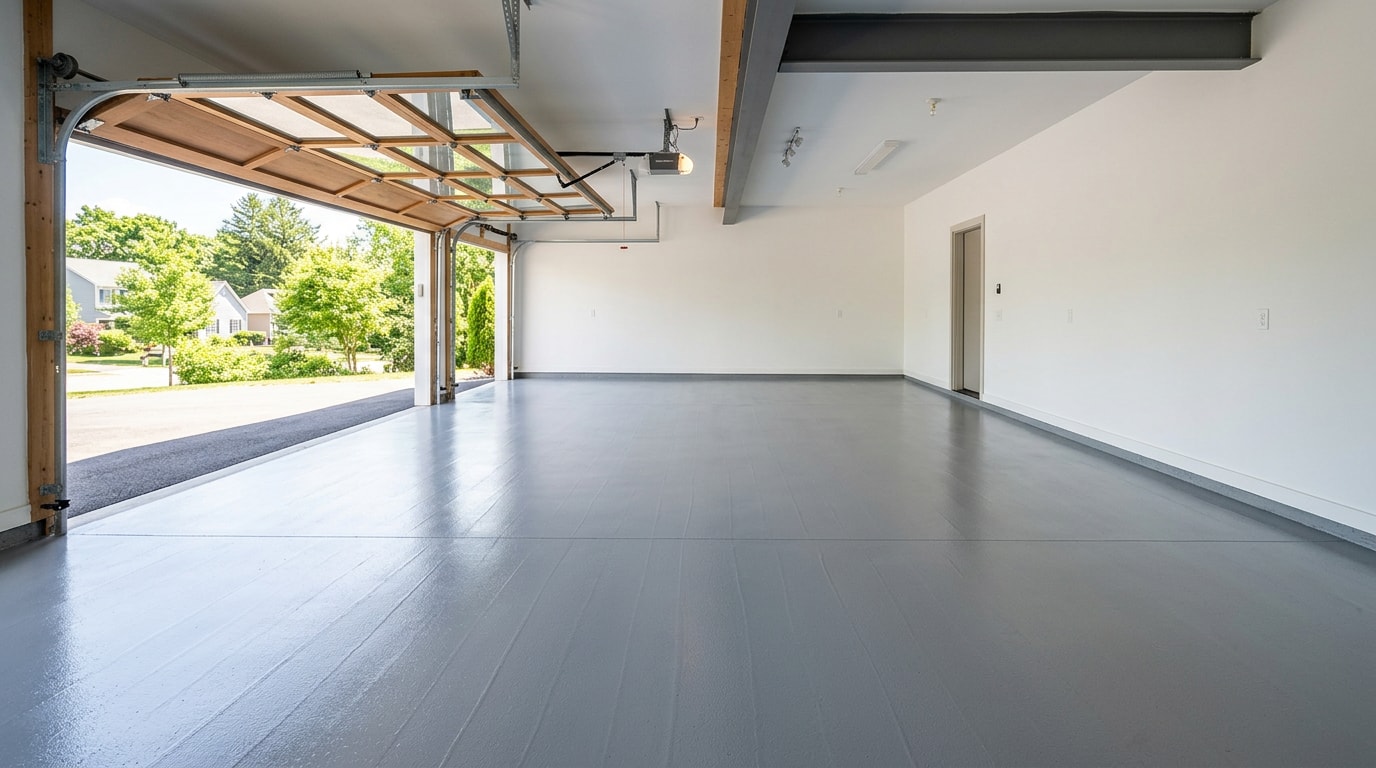
Painting floors in Seligman, AZ comes down to one rule: the surface prep matters more than the paint can you buy. Skip the prep and even premium floor coatings peel, bubble, or flake within a year in this high-desert climate. Get the prep right, and a painted concrete floor can outlast a decade of foot and tire traffic.
Concrete looks solid, but it's full of microscopic pores. Once those pores are opened through cleaning and etching, paint has something to grip. Skip that step and you're basically laying paint on top of dust.
This guide covers the supplies, the prep work, how to pick the right floor paint, the application steps, and how Seligman's summer heat changes the math on which coating actually lasts.
What You Need Before You Start
Gather everything before you open a single can. Floor paint jobs stall out fast when you're mid-coat and realize you're missing a tool.
- Etching solution (phosphoric or muriatic acid-based, or a commercial etcher)
- Concrete bonding primer
- Heavy-nap paint roller with an extension pole
- Stiff-bristle scrub brush
- Concrete crack filler or patch compound
- Degreaser for oil and grease stains
- PPE: chemical-resistant gloves, goggles, and a fume-rated respirator
Check the forecast too. Most floor coatings need a specific temperature range, typically 50–90°F, to cure properly, which narrows your window in Seligman during peak summer heat or winter cold snaps.
Decide on paint type before you shop. Garage floors, interior rooms, and exterior patios each call for different formulations, covered below.
How to Prepare Concrete for Painting
Prep is the most repeated advice across every reputable floor-painting guide, and for good reason. It's where DIY jobs succeed or fail. Four steps matter most: cleaning, repairing, moisture testing, and etching.
Clean the Surface
Start by pressure washing the concrete to strip away dirt, loose debris, and old residue. Grease and oil stains need a dedicated degreaser, since leftover grease is one of the most common reasons paint fails to bond. If the slab covers a large area or you don't own a pressure washer, a pressure washing service can strip years of buildup in a fraction of the time it takes by hand.
Let the surface dry completely. This can take a full day or more depending on humidity and airflow. Painting over damp concrete traps moisture under the coating and guarantees early failure.
If your home was built before 1978 and the slab was ever coated with old paint, test before you sand or strip it. Any renovation, repair, or painting project in a pre-1978 home that has lead-based paint can easily create dangerous lead dust. The EPA's lead-safe renovation guidance outlines how to test and work safely before disturbing old coatings.
Repair Cracks and Holes
Fill cracks and divots with concrete crack filler or patch compound before painting. Sand patched areas flush once cured so they don't create visible ridges under the new coat.
Skipping repairs doesn't hide damage, it does the opposite. Cracks and holes tend to telegraph right through fresh paint, becoming more visible rather than less.
Test for Moisture
A moisture test tells you whether the slab is dry enough to paint. Skipping it risks trapping vapor underneath the new coating. The simplest version: tape a plastic sheet to the floor and check it after 24 hours for condensation.
If moisture collects underneath, the slab is releasing vapor and needs a moisture-vapor-barrier primer before anything else goes on. Contractors working on larger commercial slabs use a more rigorous version of this test. ASTM F2170 covers the quantitative determination of percent relative humidity in concrete slabs for field or laboratory tests , and it's worth knowing this standard exists even for a DIY garage floor, since it's the benchmark manufacturers reference in their warranty terms.
Etch the Concrete
Etching opens the concrete's pores so paint can actually bond. A diluted concrete etching solution gets scrubbed into the surface and rinsed clean. Many DIYers skip this step entirely, which is likely the single biggest cause of premature peeling.
Muriatic acid safety matters here. Always add acid to water, never the reverse, and work in a ventilated area with gloves and eye protection. Corrosive materials generally have a very low pH, as with acids, or a very high pH, as with bases. That's exactly the hazard class muriatic acid etchers fall into, so treat them accordingly. OSHA's hazard determination guidance is worth a quick read before handling any acidic etching product.
How to Choose the Right Paint for Concrete
The best paint for concrete floors depends heavily on where the floor sits.
| Floor Type | Best Coating | Why |
|---|---|---|
| Garage / workshop | Epoxy or polyaspartic | Toughest, most chemical-resistant finish |
| Interior living space | Acrylic or latex | Forgiving, dries fast, low odor |
| Uncovered patio / exterior | Elastomeric or breathable acrylic | Flexes with temperature swings instead of cracking |
Epoxy coatings offer the toughest, most chemical-resistant finish and suit garages and workshop floors well, but they can be unforgiving to apply and tend to soften under sustained high heat. Acrylic or latex concrete paints are more forgiving for interior floors and patios, dry faster, and handle minor concrete movement better than rigid epoxy. For exterior concrete, think driveways, steps, and uncovered patios, an elastomeric or breathable acrylic formula usually outperforms epoxy since it flexes with temperature swings instead of cracking.
There's no single "epoxy vs. latex" winner. It's a match-the-formula-to-the-location decision. If the floor connects to an outdoor living space, our exterior painting) team can walk through which formula will hold up against direct Arizona sun.
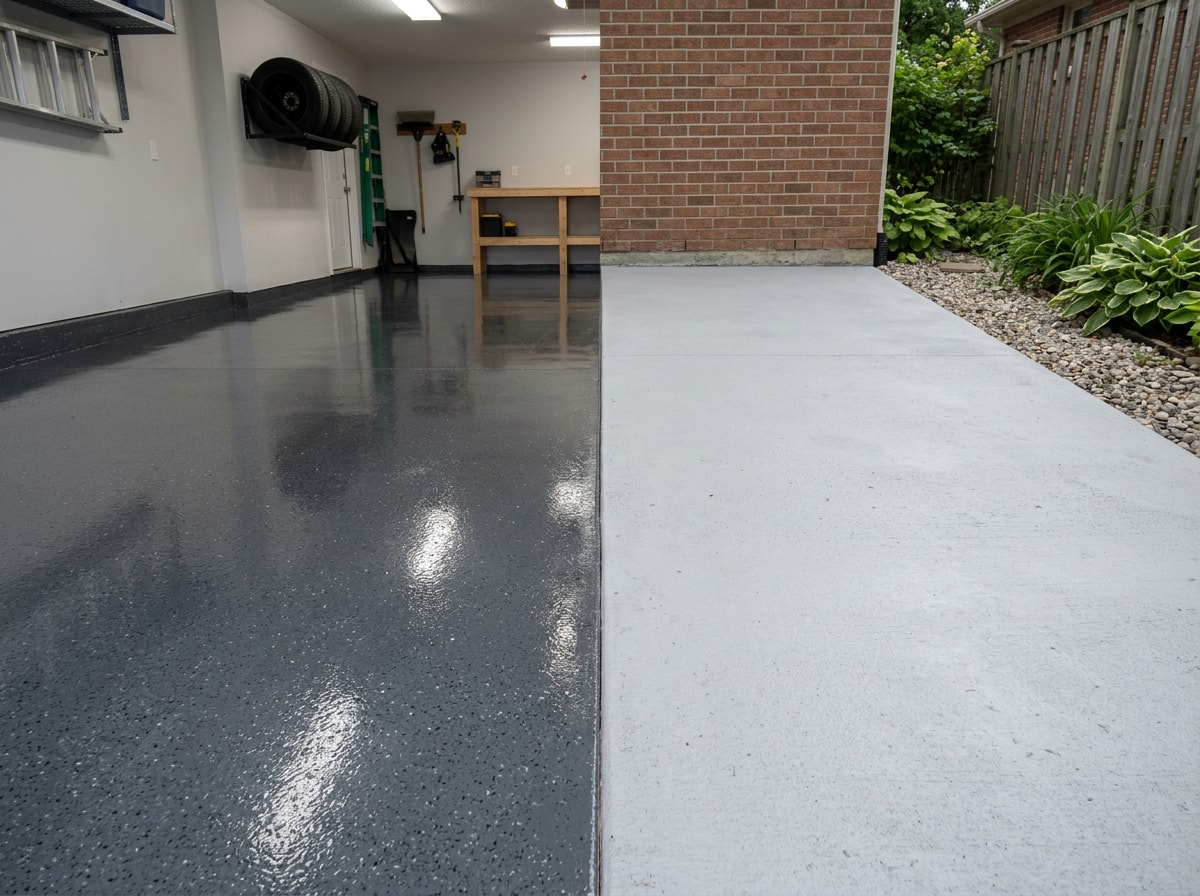
How to Paint a Concrete Floor: Step by Step
Once prep is finished and the right paint is chosen, application follows a fairly predictable sequence.
Apply Primer
Cut in the edges and corners with a brush first, then roll concrete primer across the main field of the floor. Most primers need roughly 4–24 hours of dry time before coating. Check the product label, since dry times vary by brand and humidity.
Apply the First Coat of Paint
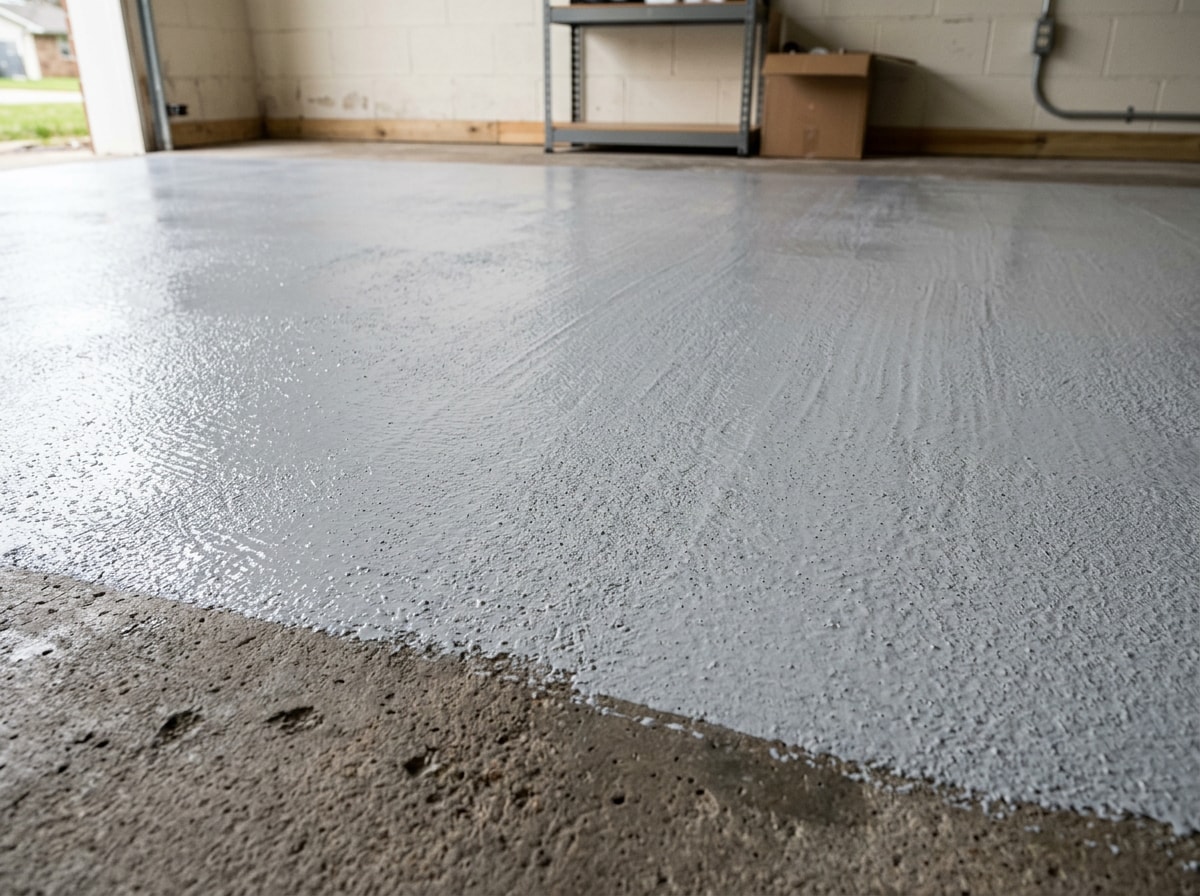
Use a roller with an extension pole to apply floor paint evenly, working in small sections to avoid visible lap marks. Cut in edges and tight corners with a brush before rolling the open areas, moving in one direction for a consistent finish.
Apply the Second Coat
The second coat deepens color, evens out gloss, and adds real durability. Most single-coat jobs wear through at high-traffic points within a year. Cure time varies more by climate than most guides mention.
| Stage | Moderate Climate | Arizona Summer Heat |
|---|---|---|
| First coat dry (to touch) | 4–6 hours | 1–3 hours |
| Second coat recoat window | 24 hours | 12–18 hours |
| Full cure (foot traffic+) | 3–5 days | 2–3 days |
Faster surface drying in extreme heat can be deceptive. The coating may feel dry while still curing underneath, so resist rushing furniture back in early.
How Arizona's Climate Affects Different Floor Coating Types
Seligman's high-desert summers push concrete surface temperatures well above air temperature, and that heat stresses floor coatings differently depending on the formula. Standard epoxy is popular and affordable, but it can soften and lose adhesion once surface temps climb into the range common on exposed Arizona concrete.
For scale, summer heat and sun can push the surface temperature of city streets in Phoenix as high as 180 degrees Fahrenheit , according to Arizona State University researchers who studied pavement heat across the Valley. Seligman sits at higher elevation and sees somewhat milder peaks than Phoenix, but an unshaded garage slab or south-facing patio still bakes hard enough to stress a standard coating all summer long.
Polyaspartic and polyurethane coatings generally tolerate heat swings better and cure faster, which matters for garages and patios that see direct summer sun. This isn't just a warehouse-floor concern. A residential garage slab or an uncovered back patio in Seligman experiences real thermal stress every afternoon from May through September. If you're weighing coating options for a Yavapai County property, our Seligman, AZ service page has more on local project considerations, and a free estimate will tell you which system fits your specific slab.
Temperature Resistance by Coating Type
Standard epoxy coatings can begin softening around 140–150°F surface temperature, a threshold asphalt and concrete surfaces can realistically reach during Arizona summer afternoons. Polyaspartic coatings hold up to notably higher heat and cure within hours rather than days, making them a common upgrade for heat-exposed floors.
Polyurethane sits in between, more flexible and UV-stable than standard epoxy, though typically costlier. For unshaded garage floors or south-facing patios, the heat-resistance gap between these options is worth weighing before committing to the cheapest coating.
Is Painting Concrete Worth the Effort?
Cement floor paint isn't just cosmetic. A properly applied coat seals the surface against dust, which matters on raw concrete that constantly sheds fine particles into the air. It also resists stains from oil, grease, and tire marks, making it a popular choice for garage floor projects.
Beyond function, a painted floor looks finished. It upgrades a utilitarian slab into a space people don't mind walking across barefoot. For most homeowners weighing coating against full flooring replacement, sealing with a quality paint is the far cheaper route. A fresh, well-maintained floor also plays into the broader value question many Seligman homeowners ask before any paint project. Our guide on whether painting your house increases value in Seligman, AZ covers that angle in more detail.
After working on garage, patio, and shop floors across the Seligman and Route 66 corridor, the pattern is consistent: the jobs that fail early almost always skipped etching or rushed the cure time, not the paint brand. If your project involves more square footage than a weekend DIY can handle, our house painting team can walk the slab with you and quote the prep work honestly before anyone opens a can. Visit Blue J Paint or get a free estimate to get a second opinion before you commit to a formula.
FAQ
What's the Best Concrete Paint?
Acrylic paint is the best concrete paint for most residential applications. It's durable, flexible enough to handle minor slab movement, and easy to apply. Oil-based paint should never go on concrete; it doesn't bond well and tends to peel.
Do You Need to Prime Concrete Before Painting?
Priming isn't strictly mandatory, but it's recommended for better adhesion and longer-lasting results. What matters more is that the concrete is fully cured, clean, and completely dry before any paint goes on.
Can You Paint Directly Onto Concrete?
Yes, you can paint directly onto properly prepped concrete without a separate overlay. If the floor was previously painted, old flaking paint needs to be stripped or sanded back first so the new coat bonds to a stable surface.
How Soon Can You Walk or Drive on Painted Concrete?
Most painted floors are safe to walk on within 24 hours and ready for vehicle traffic after about 3–5 days, though humidity and temperature shift that timeline. In Arizona's dry summer heat, surface drying often happens faster, but it's still smart to wait the full recommended cure period before heavy use.
How Long Does a Painted Concrete Floor Last?
It depends heavily on the product and traffic level. Single-component acrylic floor paint typically needs recoating sooner than two-part epoxy or polyaspartic systems, which are built for heavier wear. Check the manufacturer's data sheet for a warranty estimate specific to the product you choose.
Is It Cheaper to Paint or Epoxy a Garage Floor?
Acrylic floor paint costs less upfront than epoxy or polyaspartic kits. Epoxy systems cost more per square foot but hold up longer under tire traffic and chemical exposure, so they often cost less over the life of the floor even though the initial price is higher.
---
This guide was prepared by the Blue J Paint team, a residential and commercial painting contractor serving Seligman and the surrounding Mohave and Yavapai County communities. For a project-specific recommendation on coating type and prep scope, contact us for a free estimate.