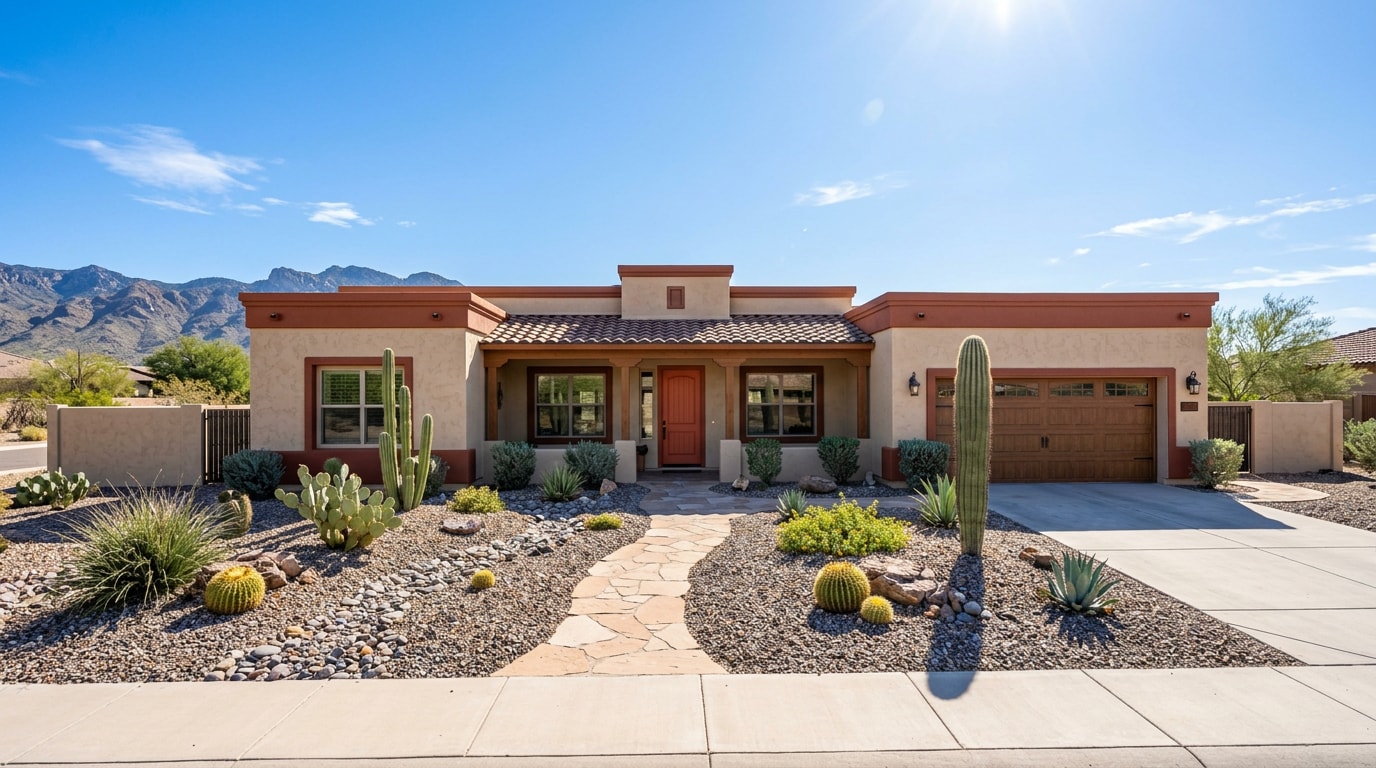
Handyman exterior painting in Fort Mohave, AZ costs less than a full repaint when the job is trim, a door frame, or a single wall, but a whole-house stucco job usually needs a dedicated painting crew instead. This guide breaks down 2026 pricing, the correct process sequence for desert stucco and wood trim, and exactly where a handyman is the right call versus where it isn't.
When a Handyman Fits the Job (and When You Need a Full Crew)
Not every exterior paint job is the same size, and that matters more in Fort Mohave than in milder climates because desert sun punishes small failures fast.
A handyman is usually the right fit for:
- Touching up faded or chipped trim, fascia, or a single accent wall
- Repainting an exterior door frame or garage door
- Small stucco patch-and-blend jobs under roughly 50 to 100 square feet
- Caulking and spot-priming ahead of a larger job someone else will finish
A full painting crew is the better call for:
- Whole-house stucco repaints, since the square footage, scaffolding, and spray-and-back-roll technique favor a multi-person crew working in sequence
- Homes with extensive cracking, chalking, or peeling across multiple elevations
- Two-story homes where lift equipment and fall-protection practices apply
If you're weighing a handyman against a licensed house painter for a bigger job, ask for the scope in writing before comparing hourly rates. A handyman billing by the hour on a 2,500-square-foot stucco exterior can end up costing more than a crew quoting the job by the square foot, simply because of how long solo surface prep takes in desert heat.
What Drives the Cost of Exterior Painting in Fort Mohave, AZ
Every exterior painting estimate comes down to a handful of recurring variables: house size, surface condition, paint grade, and local labor rates. Understanding each piece makes it easier to compare bids and spot a quote that's missing something.
Size of the House
Square footage and story count are the two biggest multipliers in any exterior painting estimate, since more wall area means more prep hours, more paint, and more time working at height. A single-story 1,500-square-foot home takes noticeably less labor than a 2,800-square-foot two-story equivalent, and two-story work also costs more because crews need scaffolding or extended ladders and work slows down for safety.
Most contractors price by square footage rather than a flat rate, so getting an accurate measurement, not a rough guess, is the first thing to confirm before accepting any quote.
Surface Condition, Material & Prep Work
Surface prep accounts for most of the variation in exterior painting bids. Mohave Valley's heat causes stucco to crack and wood trim to dry out faster than in milder climates, and a home with heavy cracking or peeling needs considerably more labor before any paint goes on.
Stucco is the most common exterior surface in the region, and it needs prep and paint formulated for its texture and porosity. A handyman or crew working on a stucco or CMU-block home here typically follows this sequence:
- Power wash to strip dust and chalky residue
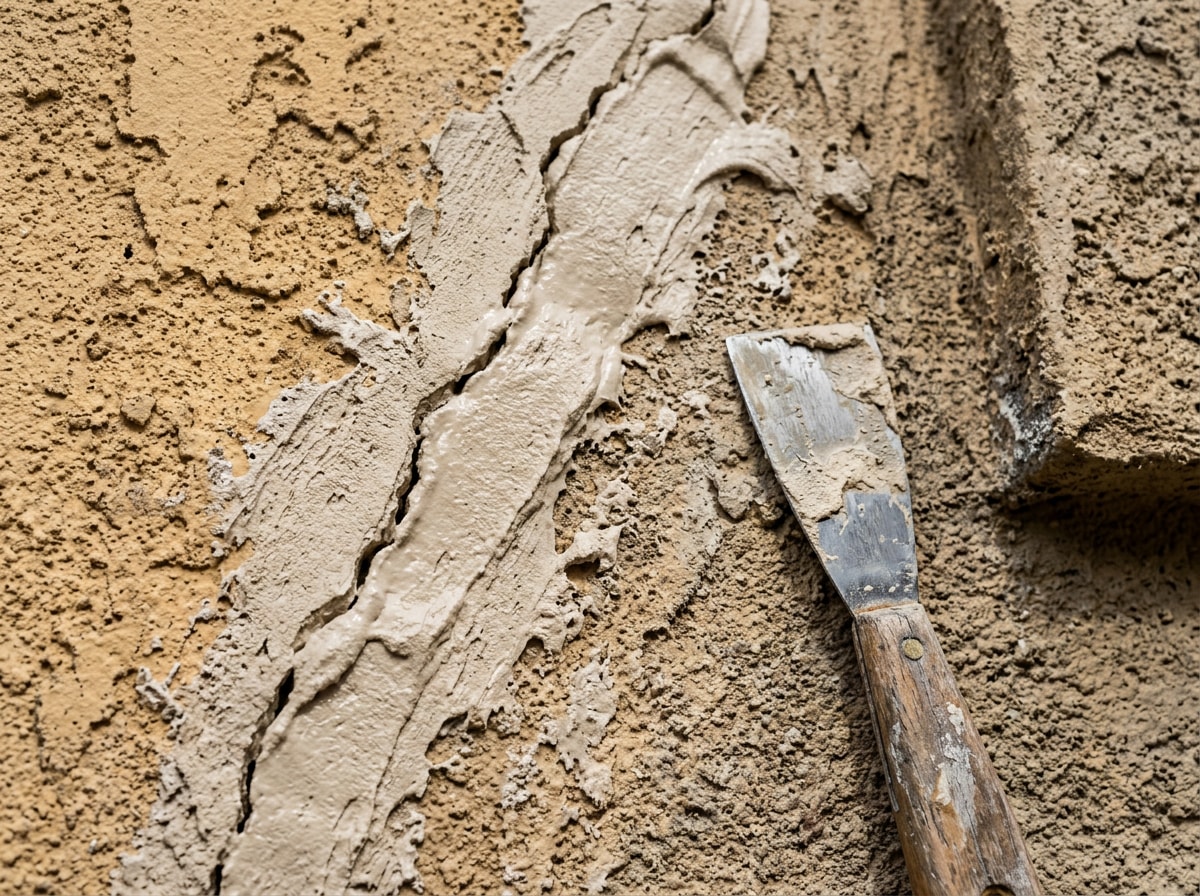
- Fill and patch cracked or "spiderwebbed" stucco
- Caulk gaps around trim and penetrations
- Prime bare or repaired sections before any topcoat goes on
Skipping a step, especially priming over new stucco patches, is one of the more common reasons paint fails early here. New stucco needs time to cure before it can safely accept a topcoat; most national prep guides from paint manufacturers recommend waiting roughly 30 days on fresh patches before coating, since uncured stucco is highly alkaline and can chemically break down standard paint film. Purdue University's extension research on exterior paint failure and moisture explains how trapped moisture behind a coating, not just the paint itself, is usually what causes premature peeling.
Paint Quality, Brand & Material Costs
In 2026, a gallon of professional-grade exterior acrylic paint typically runs somewhere between $40 and $90, with materials usually making up 15 to 30 percent of a job's total price. Premium lines built for UV resistance and mildew resistance, like Sherwin-Williams' Emerald exterior acrylic latex, cost more per gallon but hold color and film integrity longer under direct desert sun.
Acrylic latex remains the standard choice for Arizona exteriors because it flexes with daily temperature swings better than oil-based alternatives, which reduces the cracking that develops as stucco and wood expand and contract. Choosing a cheaper paint to save a few dollars a gallon often costs more over time, since a thinner, less UV-stable coating may need recoating in half the time.
Labor Rates in the Fort Mohave Market
Labor typically makes up 70 to 80 percent of a total exterior painting quote, with the rest covering acrylic paint, primer, masking tape, and plastic sheeting. According to the U.S. Bureau of Labor Statistics' Occupational Outlook Handbook for painters, the national median wage for construction and maintenance painters was $23.75 an hour in 2025.
Fort Mohave and the broader Mohave County market tend to land toward the lower-to-middle end of Arizona's painter wage range compared to Phoenix or Scottsdale, mainly because overhead and demand look different in a smaller regional market. If you're also comparing quotes a little further north, our Golden Valley exterior painting pricing guide breaks down similar line items for a nearby Mohave County market.
Average Cost of Exterior Painting in Fort Mohave by Home Size
A size-based price range is the fastest way to sanity-check a quote before committing to a contractor. These figures assume basic prep, two coats of mid-to-high grade paint, and minor stucco repair. Extensive wood trim, multiple paint colors, or significant stucco damage will push a quote toward the higher end.
| Home Size | Stories | Typical 2026 Exterior Repaint Range* |
|---|---|---|
| 1,000–1,500 sq ft | 1 | $2,800 – $4,800 |
| 1,500–2,500 sq ft | 1 | $4,200 – $7,000 |
| 2,500–3,500 sq ft | 2 | $6,500 – $9,800 |
| 3,500+ sq ft | 2 | $9,000 – $13,500+ |
*Ranges are planning-level estimates based on regional market pricing patterns for the Fort Mohave and Mohave Valley area; actual bids depend on prep needs and surface condition.
A stucco home in Fort Mohave still needs the same crack repair and priming a Scottsdale home would, so the gap between markets usually comes down to labor rates, not lighter prep work. For a number tied to your actual square footage and surface condition, request a free estimate and ask the estimator to walk the house with you.
The Professional Exterior Painting Process
Quality exterior painting is a sequence of steps, not just rolling color onto a wall, and skipping any one of them shortens the life of the finished job.
- Pressure wash. Strips dirt, cobwebs, and chalky residue so the new coating has a clean surface to grip.
- Patch and repair. Hairline cracks get filled with elastomeric caulking; larger stucco patches need to be feathered and textured to match the surrounding wall.
- Mask. Protects windows, doors, light fixtures, and landscaping with plastic sheeting and tape before any spraying begins.
- Prime. Seals new stucco patches or heavily chalked areas so the topcoat adheres evenly instead of soaking in unevenly and leaving blotchy spots.
- Spray and back roll. Most Arizona crews spray the paint on for even coverage, then back-roll it into the texture by hand.
- Second coat. Applied for better coverage and more consistent color.
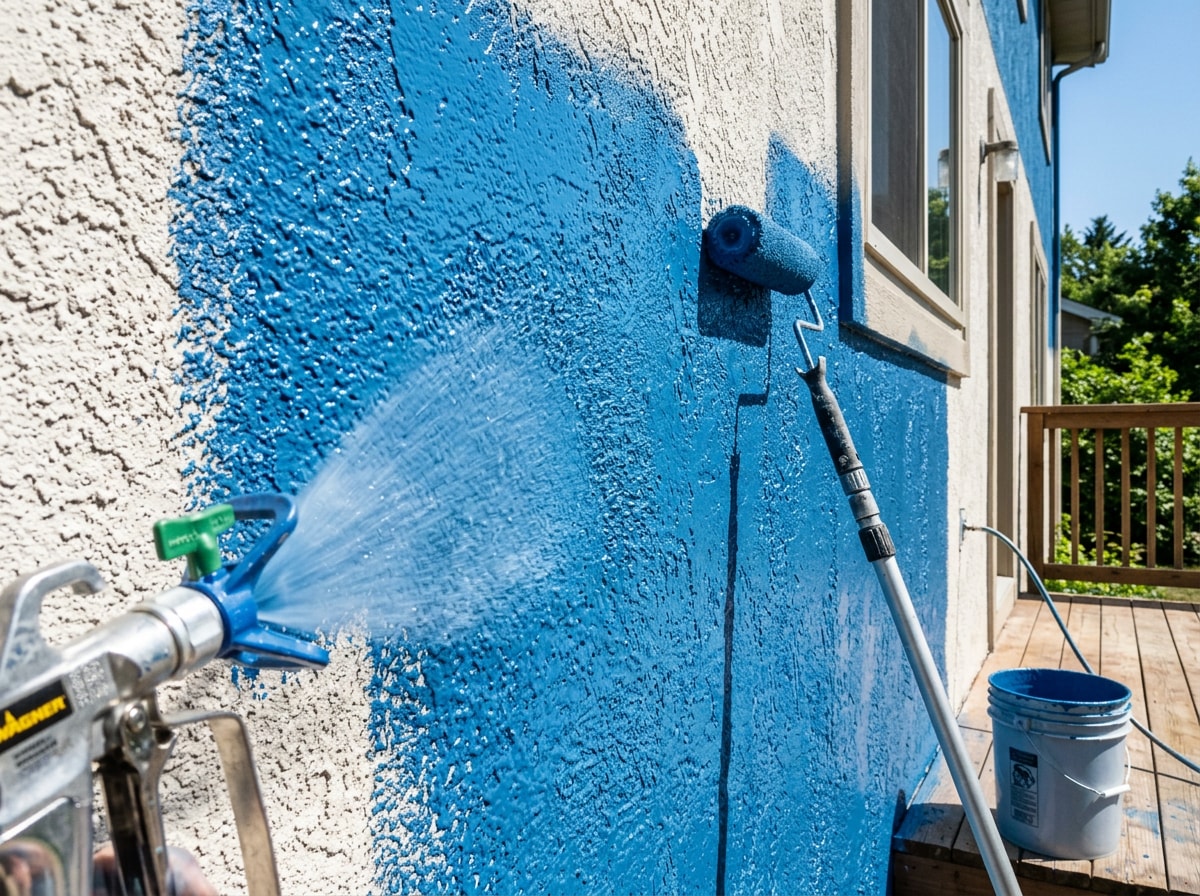
A typical exterior job in Fort Mohave runs a few days to just over a week, depending on house size and how much stucco patching is needed. If you've already handled pressure washing on your own or through a separate pressure washing visit, confirm with your painter whether that satisfies their prep requirements or whether they'll re-wash before priming. Homeowners hiring out an exterior painting job should confirm all six steps appear in writing, not just assumed, and that trim gets priced separately if it needs its own trim painting line item.
Why Fort Mohave's Dry Heat Changes the Playbook
Fort Mohave and the broader Mohave Valley sit in a low desert, low humidity climate, with summer highs that regularly top 110°F to 115°F and very little annual rainfall. That combination does the opposite of what a lot of homeowners expect: instead of slowing things down, intense dry heat can make paint flash, meaning it dries on the surface before it has time to properly bond to the stucco or wood underneath.
That's a different failure mode than the muggy-climate problems most generic exterior-painting guides describe. It's also why crews here work the first few hours of daylight during summer and avoid painting west-facing walls in the afternoon.
Higher-elevation Arizona cities like Flagstaff and Prescott deal with freeze-thaw cycling instead of extreme heat, which calls for different products and a different prep checklist entirely. A paint formulated for Phoenix-style heat resistance isn't necessarily the right choice for a cold-cycling climate, and the reverse is also true.
Making Your Paint Last: Practical Steps for Fort Mohave Homeowners
The difference between repainting every five years and stretching a job past ten often comes down to maintenance, not the paint brand used.
- Walk the perimeter once a year looking for new stucco cracks, bubbling paint, or spots where bushes and trees are rubbing against the walls, then trim vegetation back before it damages the finish.
- Recaulk gaps and spot-prime chalky patches as soon as you spot them; small touch-ups cost far less than waiting until the damage spreads across a whole wall.
- Some homeowners set aside a modest annual budget for an inspection plus minor touch-ups, which tends to be cheaper than letting small problems grow into a full repaint.
Consistent maintenance is usually what separates a 5-year repaint cycle from one that stretches closer to a decade. If your home was built before 1978, keep in mind the EPA's lead-safe renovation guidance applies any time scraping or sanding disturbs more than a small area of old exterior paint, so ask your contractor how they handle testing and containment before work starts.
Our crews across the Fort Mohave, AZ area see the same pattern on almost every re-paint call: homes that got a quick annual rinse and crack check needed far less patching than homes that went untouched for a decade. That gap in prep time is usually the biggest swing factor in a repaint quote.
Ready to get a real number instead of a ballpark? Get a free estimate and we'll walk the exterior with you before quoting anything. You can also browse our recent projects or start from the homepage to see the full range of services we run across the Tri-State area.
FAQ
Is Hiring a Handyman for Exterior Painting a Good Idea in Fort Mohave?
Yes, for the right scope. A handyman makes sense for trim, door frames, small stucco patches, or a single accent wall. For a full-house stucco repaint, a dedicated painting crew is usually faster and more cost-effective because the job is priced and staffed for volume work, not hourly odd jobs.
How Often Should You Paint Your Exterior in Arizona?
Most Arizona homes need repainting every 5 to 8 years, though the exact timeline depends on surface type, sun exposure, and paint quality. South- and west-facing walls exposed to direct afternoon sun typically fade and chalk faster than shaded or north-facing walls. Stucco generally holds up longer than wood trim, and homes with regular maintenance touch-ups often stretch past the eight-year mark before a full repaint is needed.
What Time of Year Is Best for Exterior Painting in Arizona?
Spring and fall offer the best window, since surface and air temperatures sit in a range where paint cures evenly without flashing off too fast. Summer heat can cause paint to dry on the surface before it bonds properly underneath, leading to weaker adhesion and earlier peeling. Scheduling for late February through May, or September through November, generally gives the most reliable results.
Can You Paint a House Exterior During the Summer in Arizona?
It's possible but riskier, since wall surfaces exposed to direct sun can exceed 130°F by midday. Heat and paint adhesion don't mix well at those temperatures; the paint skins over too quickly and doesn't bond to the surface the way it should. Crews that do paint through summer usually work early morning hours, often starting before sunrise and wrapping up by late morning before surface temperatures peak.
What's Included in a Professional Exterior Painting Quote?
A complete painting quote should itemize surface prep, materials, labor, and cleanup rather than bundling everything into one flat number. Pressure washing, crack repair and caulking, primer where needed, two coats of paint, masking of windows and fixtures, and final site cleanup should all appear as separate line items. If a quote is missing any of these, ask what's included before signing anything.